
Affordable Car Repair Services 2026: Complete Guide
Updated: Sep 16
Table of Contents
What Makes Affordable Car Repair Services Stand Out in 2026
Essential Automotive Services That Keep Costs Down
Preventative Maintenance and Diagnostic Services
Brake System and Tire Services
Oil Change and Fluid Exchange
How to Negotiate Car Repair Costs Without Sacrificing Quality
How to Spot Overcharging and Verify Shop Honesty
Best Auto Repair Financing Options for Budget-Conscious Owners
DIY vs. Professional Repair: Cost Analysis and When to Choose Each
Extended Warranty Repairs and Seamless Claim Handling
Conclusion
Last Updated: August 7, 2026
What Makes Affordable Car Repair Services Stand Out in 2026
Finding honest, transparent automotive care without dealership markup is essential for budget-conscious vehicle owners. Affordable car repair services in 2026 prioritize preventative maintenance, transparent pricing, and direct communication about what actually needs fixing. The difference between fair pricing and padded invoices often comes down to whether shops show you the problem before asking for your money.
At Cruiser Auto Repair, we understand that vehicle owners are tired of guessing games. The best shops in 2026 handle extended warranty repairs directly with providers, offer competitive pricing without cutting quality, and employ professionally qualified technicians who diagnose before recommending. This guide covers automotive services that keep costs down, strategies for negotiating repair bills without compromising safety, and how to spot shops genuinely looking out for your wallet.
Essential Automotive Services That Keep Costs Down
Preventative Maintenance and Diagnostic Services
Preventative maintenance is the most effective way to avoid expensive repairs. Regular oil changes, fluid exchanges, and scheduled inspections catch small problems before they become catastrophic failures. Many vehicle owners skip routine services to save money short-term, then face transmission replacements or engine overhauls costing thousands.
Modern diagnostics use specialized equipment to read engine codes, test battery health, and identify suspension wear before it becomes dangerous. A thorough diagnostic typically costs $50 to $150 but prevents unnecessary repairs. The technician should explain what each code means and whether it requires immediate attention.
Preventative maintenance schedules vary by vehicle age and mileage. Newer cars need oil changes every 5,000 to 10,000 miles; older vehicles may require more frequent service. Tire rotation should happen every 5,000 to 8,000 miles. Fluid exchanges prevent system degradation and extend component life. Shops emphasizing preventative maintenance over reactive repairs understand long-term vehicle health.
Brake System and Tire Services
Brake repair is one of the largest expenses vehicle owners face, but it's where honest shops separate themselves from opportunistic ones. A brake inspection should be free, with the technician showing pad thickness, rotor condition, and whether fluid needs flushing. Responsible shops wait until pads are actually thin or rotors damaged, not at the first sign of wear.
Tire services extend beyond rotations. Wheel alignment prevents uneven wear and improves fuel efficiency, a misaligned vehicle can waste 10% or more on gas. Tire balancing eliminates vibration and extends tire life. Many affordable shops bundle rotation, balance, and alignment into preventative packages costing less than purchasing separately.

Tire replacement costs depend on where you shop. Independent shops often source tires at lower prices than dealerships. Walmart Auto Care Centers, Costco, Midas, Firestone, and Monro offer competitive pricing with warranties. Comparing tire pricing across shops can save $50 to $200 per set.
Oil Change and Fluid Exchange
Oil changes are preventative maintenance foundation. Conventional oil costs less upfront but requires frequent service. Synthetic and high-mileage oils cost more per service but extend intervals to 7,500 or 10,000 miles. For long-term vehicle ownership, synthetic often makes financial sense.
Fluid exchanges, transmission, coolant, brake, and differential, prevent system failures. These services are sometimes upsold aggressively, but they're legitimate preventative maintenance when done on schedule. Responsible shops show fluid condition and explain why replacement is needed.
Many affordable shops bundle oil changes with complimentary services: tire rotation, fluid top-offs, battery testing, and vehicle inspections. Jiffy Lube's Signature Service, Meineke, and Monro include multi-point inspections with every oil change, often revealing issues early and preventing expensive repairs.
How to Negotiate Car Repair Costs Without Sacrificing Quality
The key to negotiating repair costs is asking the right questions before authorizing work. Never accept an estimate without understanding what each line item covers and why it's necessary. Professional shops provide written estimates breaking down labor hours, parts costs, and diagnostics fees.
Request detailed diagnosis explanation. A technician should tell you exactly what's wrong, why it failed, and what happens if you delay repair. Some repairs are safety-critical, brake problems, steering issues, suspension damage, and cannot be delayed. Others, like cosmetic trim, can wait.
Ask about alternatives. If transmission rebuild is recommended, ask whether a transmission flush might extend its life. If full brake service is quoted, ask whether pad replacement alone addresses the immediate issue. Honest shops present options and let you decide based on budget and vehicle plans.
Compare estimates from multiple shops before committing. Bring the same diagnostic information to two or three independent shops and compare recommendations. Significant discrepancies in estimated costs or services are red flags.
Negotiate labor rates, not parts costs. Parts pricing is relatively standardized. Labor rates vary by location, overhead, and technician experience. Asking for labor discounts is reasonable; asking shops to use substandard parts is not.
How to Spot Overcharging and Verify Shop Honesty
Overcharging happens through inflated labor rates and unnecessary repairs. Research average shop rates in your area. Independent shops typically charge $75 to $150 per hour; dealerships charge $150 to $250. Unusually high or low rates warrant questions.

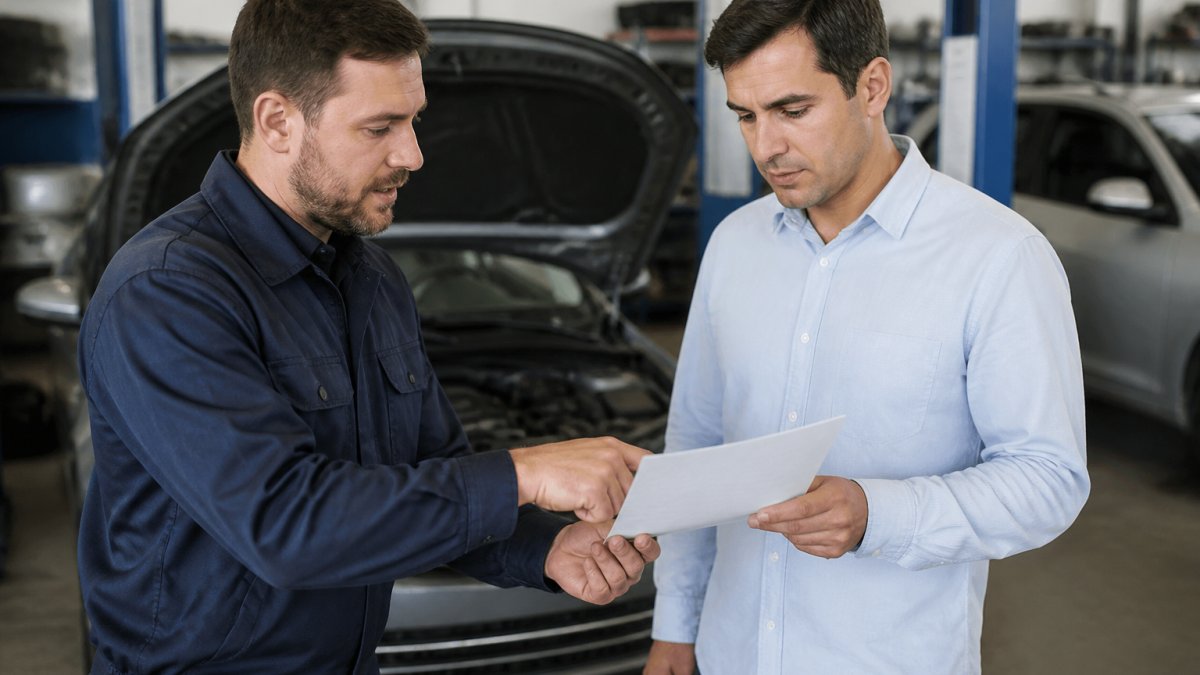
Unnecessary repairs are harder to spot but easier to prevent. Ask the shop to show you the problem. Responsible technicians demonstrate worn brake pads, point out leaking seals, or explain why sensors fail. If they can't show the problem or their explanation doesn't make sense, request a second opinion.
Request photos of damaged components before and after repair. Digital inspection cameras document wear, leaks, and damage, providing proof of what was actually wrong. Shops refusing documentation are hiding something.
Watch for shops recommending multiple major repairs simultaneously. While some problems occur together, shops quoting transmission replacement, engine work, and suspension repair all at once are likely upselling. Get separate estimates for each system.
Check online reviews for mentions of unnecessary repairs or overcharging. Positive reviews mentioning transparency and honest pricing are good signs. Negative reviews describing unexpected charges are warnings.
Verify proper licensing and insurance. Most states require automotive repair shops to be licensed and carry liability insurance. Ask to see current licenses and certificates. Shops unable to produce them are operating illegally.
Best Auto Repair Financing Options for Budget-Conscious Owners
When major repairs are necessary but budget is tight, financing options can keep your vehicle running. Many independent shops offer in-house financing or partnerships with third-party lenders, typically with lower approval barriers than traditional auto loans.
Credit cards with 0% introductory rates work if you have good credit and can pay off the balance during the promotional period. The risk is interest rates jumping to 18-24% afterward. Use this only if confident you can pay before interest kicks in.
Shop-specific financing through CareCredit or Affirm spreads repairs across months with fixed payments. Interest rates vary based on creditworthiness, but many qualify for 0% financing on purchases over a certain amount. Approval is quick and affects credit less than traditional loans.
Traditional auto repair loans from credit unions or banks offer competitive rates with decent credit. Terms typically run 12 to 60 months. Approval takes longer and requires more documentation than shop financing.
Personal loans from online lenders often have lower rates than credit cards or shop financing if you have good credit. You receive a lump sum and pay the shop directly, making you responsible if something goes wrong.
Manufacturer warranty coverage and extended warranties sometimes cover repair costs. Check whether repairs are covered before paying out of pocket. Extended warranty holders should contact their provider before authorizing repairs. Cruiser Auto Repair handles extended warranty repairs directly with providers, managing claims so you don't navigate insurance company communications.
DIY vs. Professional Repair: Cost Analysis and When to Choose Each
DIY repairs save money only when you have the right tools, knowledge, and time. Oil changes are straightforward, drain old oil, replace filter, add new oil. Most owners complete this in 20 minutes with basic tools. Parts cost $20 to $50; professional shops charge $50 to $90, saving $30 to $40 per change.
Brake pad replacement is more complex, requiring a jack, jack stands, wrench set, and brake system knowledge. Mistakes create serious safety risks. Professional service costs $150 to $300; DIY parts cost $50 to $100. The liability risk outweighs savings.
Transmission, engine, and suspension repairs require specialized tools and years of experience. Tool rental or purchase costs often exceed labor savings. Professional shops have these tools and expertise. DIY attempts usually result in further damage and higher final costs.
Choose DIY for simple maintenance: air filter replacement, wiper blade installation, battery replacement, and fluid top-offs. These have low damage risk and require minimal tools. Choose professional repair for brakes, suspension, transmission, engine, or electrical systems where risk and complexity outweigh savings.
Extended Warranty Repairs and Seamless Claim Handling
Extended warranties provide peace of mind for major repairs, but only if the shop navigates claims efficiently. Many vehicle owners avoid warranty repairs fearing they'll get caught between warranty providers and repair shops blaming each other for denied claims.
Cruiser Auto Repair eliminates this friction by handling extended warranty repairs directly with providers. The shop manages all communication with the warranty company, submits documentation, and follows up on claim status. You bring the vehicle in, repair is completed, and the warranty company is billed directly.
Before authorizing any warranty-covered repair, verify the shop is authorized to handle warranty work. Not all shops are approved warranty providers. Using unapproved shops may void coverage or result in denied claims.
Keep warranty documentation accessible. Extended warranties typically require following the manufacturer's maintenance schedule. Skipping recommended maintenance and then claiming major repairs may result in denied claims. Shops emphasizing preventative maintenance help you maintain coverage.
Understand what your warranty covers and excludes. Most extended warranties cover mechanical failures but exclude wear items like brake pads, wiper blades, and filters. Some have mileage or age limits. Knowing these details prevents disappointment when submitting claims.
Conclusion
Finding affordable car repair services in 2026 means prioritizing preventative maintenance, verifying shop honesty, and understanding financing options. Shops that win customer loyalty show you what's wrong before charging to fix it, handle warranty claims without passing stress to you, and employ professionally qualified technicians delivering expert solutions at transparent prices.
Cruiser Auto Repair combines these qualities with prompt breakdown services and seamless warranty claim handling. Schedule your appointment today and experience the difference that honest, transparent automotive care makes. Our team will diagnose your vehicle's needs, explain your options, and deliver the repair work you actually need at competitive pricing you can trust.
Frequently Asked Questions
What to do if you can't afford a car repair?
Several options exist when facing an expensive repair. First, get multiple estimates from different shops to confirm the cost is accurate. Ask about payment plans or financing options that spread the cost over months. Some independent shops offer discounts for cash payment. If the repair is non-critical, prioritize safety-related work (brakes, steering) and defer cosmetic or minor issues. Check if your extended warranty covers the repair. For major expenses, some credit unions offer auto repair loans at lower rates than credit cards.
How can I verify if an auto repair shop is honest?
Honest shops provide written estimates before starting work and explain what needs repair in plain language. Ask them to show you the problem, a reputable technician will demonstrate the issue with photos or by pointing to the actual damage. Check if they're certified through ASE (Automotive Service Excellence) or other recognized credentials. Read online reviews, but focus on patterns rather than single complaints. Compare estimates from at least two shops; if one is significantly higher, ask why. Transparent shops also discuss alternatives and never pressure you into unnecessary services.
Are independent mechanics cheaper than dealerships?
Independent mechanics typically charge less per hour than dealership service departments, often 20-50% lower depending on location and vehicle type. However, total cost depends on the specific repair, parts availability, and the technician's expertise. Independent shops excel at routine maintenance, brake work, and suspension repair. Dealerships may be necessary for complex engine diagnostics, transmission work, or warranty-covered repairs on newer vehicles. Get estimates from both to compare for your specific repair need. Many vehicle owners use independent shops for routine care and dealerships only when warranty coverage or specialized diagnostics are required.
What is the most expensive part of a car to repair?
Transmission repair or replacement is typically the most costly, ranging from $1,500 to $4,000 or more depending on the vehicle. Engine rebuilds or replacements also rank among the priciest repairs. Other expensive repairs include suspension work, steering system replacement, and complex electrical diagnostics on modern vehicles. The cost varies significantly by vehicle make and model, luxury or imported vehicles generally cost more to repair. Preventative maintenance like regular fluid exchanges and diagnostic testing can help avoid these major expenses by catching problems early before they damage critical systems.
SCHEDULE YOUR APPOINTMENT
This article was written using GrandRanker


Comments