
Best Car Maintenance Schedule for Commuters
Updated: Sep 16
Table of Contents
Why Commuters Need a Different Maintenance Schedule
Severe Driving Conditions Maintenance Schedule for Daily Commuters
How Often to Change Oil for Daily Commute Driving
Essential Maintenance Tasks Every 30,000 Miles
Car Maintenance Checklist for High-Mileage Commuter Vehicles
DIY vs. Professional Service: Cost-Benefit for Commuters
Commuter-Specific Emergency Kit and Roadside Preparation
Conclusion
Last Updated: August 9, 2026
Why Commuters Need a Different Maintenance Schedule
Commuters face unique maintenance challenges that differ from typical driving patterns. Stop-and-go traffic, frequent short trips, and extended idle times create accelerated wear on brakes, transmissions, and engines compared to highway drivers. Your vehicle's owner's manual provides a baseline schedule, but it assumes mixed driving conditions. For commuters, the automotive industry's "severe driving conditions" classification, frequent stop-and-go traffic, short trips that don't allow engines to reach full operating temperature, and extended idling, causes components to degrade faster than manufacturers' standard intervals suggest.
Following a generic maintenance schedule leaves you vulnerable to unexpected breakdowns. Brake pads rated for 50,000 miles might wear out at 35,000 in heavy traffic. Transmission fluid degrades faster in stop-and-go mode. Engine oil gets contaminated more quickly on short trips where the engine never fully warms up.
Pro Tip Check your owner's manual for a "severe driving conditions" section. Most manufacturers include a separate maintenance schedule for this exact scenario, and it's often the one that applies to you.
Severe Driving Conditions Maintenance Schedule for Daily Commuters
The EPA and major automakers define severe driving conditions as frequent trips under 10 miles, stop-and-go traffic, extended idling, towing, or operation in dusty environments. If your daily drive includes traffic lights, brake applications every few minutes, and engine runtime under 15 minutes per trip, you're operating under severe conditions.
A severe driving conditions schedule compresses intervals significantly. Where standard schedules call for oil changes every 10,000 miles, severe schedules recommend 5,000 to 7,500 miles. Transmission fluid service moves from 60,000 miles to 30,000 to 40,000 miles. Brake fluid inspection becomes annual rather than every two to three years. Air filter replacement accelerates from 15,000 miles to 7,500 to 10,000 miles.
The financial impact compounds quickly. A transmission failure due to delayed fluid service can cost $3,000 to $5,000 to repair or replace. Engine sludge buildup from infrequent oil changes reduces fuel economy and can eventually cause engine damage costing tens of thousands.
Watch Out Short trips prevent your engine from reaching full operating temperature, which means moisture and fuel vapor don't fully evaporate from the oil. This accelerates sludge formation and reduces oil's protective properties, one reason severe-condition [oil change intervals](/post/how-often-to-change-oil-a-practical-guide) are so much shorter.
How Often to Change Oil for Daily Commute Driving
Oil change intervals for commuters should be every 5,000 to 7,500 miles. Short trips and stop-and-go traffic prevent the engine from reaching optimal operating temperature, so oil never fully heats up enough to burn off contaminants. Fuel doesn't fully combust, and moisture from combustion remains in the oil rather than evaporating, creating sludge that reduces oil's protective ability.
Synthetic oil offers better protection in these conditions than conventional oil. Its superior thermal stability and resistance to breakdown in stop-and-go conditions makes it the practical choice for most commuters, extending intervals slightly to 7,500 miles while providing better engine protection.
Track your actual mileage accumulation. If you don't accumulate 5,000 miles in six months, still change the oil every six months because sitting oil degrades chemically over time, especially in engines that run frequently but briefly.

Essential Maintenance Tasks Every 30,000 Miles
At 30,000 miles, perform a comprehensive inspection including transmission fluid inspection, brake system evaluation, tire rotation and tread depth measurement, air filter replacement, and fluid level checks.
Transmission fluid should be inspected and replaced if contaminated or discolored. Fresh transmission fluid is bright red; degraded fluid is dark brown or black. Catching degradation early prevents catastrophic failure.
Brake inspection is critical because commuter driving generates more brake heat and dust. Check brake pad thickness; if below 3/32 inch, they need replacement. Inspect rotors for scoring or warping. Brake fluid should be tested for moisture content because moisture reduces boiling point and causes brake fade.
Tire rotation every 7,500 miles prevents uneven wear from frequent turning and braking. Check tread depth using the penny test; if you can see the top of Lincoln's head, tread is below 2/32 inch and replacement is needed. Monitor tire pressure monthly.
Air filter replacement keeps the engine running efficiently. A clogged air filter increases fuel consumption and reduces performance. Replace the cabin air filter to maintain air quality and prevent HVAC strain.
Maintenance Task | Interval | Priority | Why It Matters |
Oil and filter change | 5,000-7,500 miles | Critical | Prevents sludge buildup in short-trip driving |
Tire rotation | 7,500 miles | High | Extends tire life and improves handling |
Brake inspection | 30,000 miles | Critical | Prevents brake failure in emergency situations |
Transmission fluid check | 30,000 miles | High | Catches degradation before major damage |
Air filter replacement | 30,000 miles | Medium | Maintains fuel economy and engine performance |
Fluid level checks | Monthly | High | Prevents overheating and hydraulic failures |
Car Maintenance Checklist for High-Mileage Commuter Vehicles
Once your vehicle passes 100,000 miles, components approach the end of their designed lifespan. High-mileage vehicles need more frequent inspections and aggressive preventative maintenance to avoid unexpected failures.
At 100,000 miles, schedule a comprehensive inspection including serpentine belt evaluation, battery testing, coolant system flush, and spark plug assessment. The serpentine belt typically lasts 60,000 to 100,000 miles. If it shows cracking, fraying, or glazing, replace it before it breaks. Battery terminals should be cleaned and tested for proper voltage output.
Coolant system maintenance becomes critical because old coolant loses its ability to protect against corrosion and overheating. A coolant flush removes sediment and contaminants. If your vehicle has never had a flush, do it at 100,000 miles. Repeat every 50,000 miles thereafter.
Spark plug condition determines engine efficiency and fuel economy. Most modern vehicles use spark plugs rated for 100,000 miles, but commuters should check them at 80,000 miles and replace if showing wear.
Brake system inspection is critical at high mileage. Brake pads, rotors, calipers, and brake lines all have finite lifespans. Budget for brake service if approaching 100,000 miles without recent replacement.

Transmission service becomes more important at high mileage. If never serviced, do it at 100,000 miles. Repeat every 30,000 to 40,000 miles thereafter. A properly maintained transmission can reach 200,000 miles; a neglected one might fail by 120,000.
Inspect suspension and steering components for wear. Listen for clunking sounds when turning or going over bumps, indicating worn components. Worn suspension affects handling, tire wear, and safety.
DIY vs. Professional Service: Cost-Benefit for Commuters
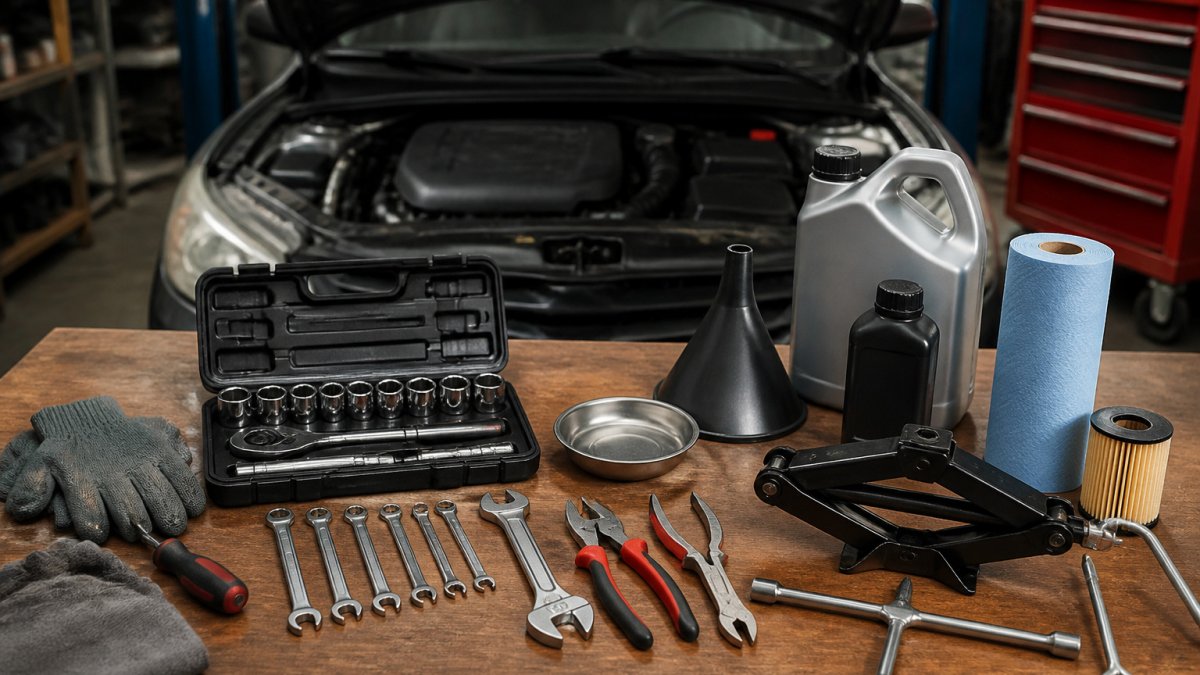
Oil changes are the most accessible DIY task, saving $30 to $50 per change. You need an oil drain pan, wrench, oil filter wrench, new oil, and filter. The process takes 20 to 30 minutes.
Tire rotation saves $30 to $60 per rotation and takes 30 to 45 minutes if you have a jack and jack stands. Air filter replacement takes 10 to 15 minutes and saves $15 to $30.
Brake service, transmission service, and coolant flushes require specialized equipment and knowledge. Mistakes create safety hazards. These tasks are best left to professionals.
Battery testing and terminal cleaning fall in the middle. You can clean corroded terminals with baking soda and water, but proper battery testing requires a load tester. Professional testing is inexpensive, usually $20 to $30.
Best For DIY maintenance works best for commuters with mechanical skills and access to proper equipment. Professional service makes sense for brake work, transmission service, and complex diagnostics where mistakes create safety or reliability risks.
Commuter-Specific Emergency Kit and Roadside Preparation
Prepare for potential breakdowns with an emergency kit tailored to common failure modes. Essential items include jumper cables or a portable jump starter, basic tools, spare fuses, extra engine oil and coolant, spare serpentine belt, spare radiator hose with hose clamps, duct tape, flashlight with batteries, tire plug kit, and portable air compressor.
Roadside assistance membership provides professional help when your emergency kit isn't enough. AAA membership starts at $64.99 per year for basic coverage including towing, battery service, fuel delivery, and locksmith service.
Keep important documents in your vehicle: insurance card, registration, maintenance records, and your mechanic's contact information. Document your vehicle's VIN and take photos for insurance purposes. Store these in your phone or cloud storage for accessibility.
The best car maintenance schedule for commuters depends on your specific driving pattern, vehicle age, and mileage. Commuting creates severe driving conditions that demand more frequent service intervals than standard recommendations suggest. By following a maintenance schedule tailored to severe driving conditions, monitoring your vehicle's condition between services, and addressing issues promptly, you'll keep your commute reliable and avoid expensive repairs. When you need professional service, Cruiser Auto Repair handles everything from routine maintenance to complex repairs with transparent pricing and seamless warranty claim management.
Frequently Asked Questions
Is a daily commute considered severe driving conditions?
Yes, daily commuting typically qualifies as severe driving. Stop-and-go traffic, frequent short trips, and extended idling all stress your engine and drivetrain more than highway driving. Severe conditions accelerate wear on brake pads, transmission fluid, and engine components. Check your owner's manual for the severe driving maintenance schedule, which usually recommends more frequent oil changes, fluid checks, and service intervals than standard schedules.
How often should I change oil if I commute daily?
For daily commuters in severe driving conditions, synthetic oil changes are typically recommended every 5,000 to 7,500 miles, compared to 7,500 to 10,000 miles for standard driving. If you use conventional oil, change it every 3,000 to 5,000 miles. Check your owner's manual for the manufacturer's severe driving recommendations specific to your vehicle. Frequent oil changes are critical because stop-and-go traffic generates more heat and contaminants in the oil.
What's the most important maintenance task for a high-mileage commuter car?
Regular oil and filter changes are the foundation of high-mileage maintenance. Clean oil protects engine components and directly impacts engine performance and longevity. Beyond that, tire rotation every 6,000 to 8,000 miles, brake inspections, and fluid contamination checks are equally critical for commuters. A comprehensive car maintenance checklist for high-mileage vehicles should address all wear items systematically to prevent costly breakdowns.
Can I perform basic maintenance myself, or should I use a professional?
Basic tasks like checking tire pressure, topping off fluids, and replacing air filters are DIY-friendly and save money. However, brake pad replacement, tire rotation, transmission service, and fluid flushes require professional equipment and expertise. Professional service ensures proper diagnostics, warranty compliance, and safety. For commuters, a hybrid approach works best: handle simple checks yourself and schedule professional inspections at mileage intervals to catch issues early.
SCHEDULE YOUR APPOINTMENT
This article was written using GrandRanker

Comments