
7 Things to Know Before Switching to Synthetic Oil
Last Updated: October 28, 2026
Quick Summary
Synthetic oil can improve gas mileage, but the gain is smaller than most drivers expect, often just a fraction of a mile per gallon. The real benefit comes from using the low-viscosity grade your owner's manual specifies, not from the synthetic label alone.
Synthetic oil holds its viscosity better across temperatures, which supports a small fuel economy edge.
Switching from conventional to synthetic of the same grade usually changes MPG too little to notice tank to tank.
Never downgrade to a thinner viscosity than the manufacturer specifies just to chase fuel economy.
Full synthetic costs roughly $15 to $40 more per oil change than conventional.
A 0.2 MPG gain at 25 MPG and 12,000 miles saves about 4 gallons, or roughly $14 per year.
Table of Contents
Does Synthetic Oil Improve Gas Mileage? What the Evidence Shows
Yes, synthetic oil can improve gas mileage, but the gain is smaller than most drivers expect.

Synthetic oil is a motor oil made from chemically engineered base stocks rather than refined crude, designed to flow more easily and resist breakdown at high temperatures. That smoother flow is where any fuel economy benefit starts.
(/post/synthetic-vs-conventional-oil-for-cars).
Synthetic: better cold flow, longer life, steadier protection
Conventional: lower upfront cost, shorter service life
Both: must meet the grade your owner's manual specifies
Where the Fuel-Economy Difference Actually Comes From
The MPG gap between synthetic and conventional oil is not one big effect, it is the sum of several small ones. Understanding each helps you judge whether a switch is worth it for your vehicle.
Viscosity index (VI): Synthetic base stocks hold their thickness across a wider temperature range, so the oil does not thicken as much on a cold start or thin out as much at operating temperature. A more stable film means more consistent pumping losses.
Friction modifiers: Many synthetic formulations include molybdenum or other friction modifiers that reduce boundary friction between the piston rings and cylinder walls. Conventional oils can contain them too, but synthetics often carry higher treat rates.
High-temperature high-shear (HTHS) viscosity: This is the measure of how well the oil maintains its film under the extreme shear inside the bearings and valvetrain. A lower HTHS oil reduces drag, but going too low can compromise wear protection, which is why the manufacturer's specification matters more than the base-oil type alone.
What the Numbers Realistically Look Like
Most practitioners find that switching from a conventional oil to a synthetic of the same grade produces a fuel-economy change too small to notice tank to tank, often within the normal variation of a few tenths of a mile per gallon.
That is the honest framing: synthetic oil enables the low-viscosity, friction-modified formulations that save fuel, but the oil type by itself is not a fuel-economy upgrade. The grade and specification are.
Key Takeaway If your owner's manual already calls for a synthetic-blend or full-synthetic oil in a specific grade, switching brands or base-oil types will not move your MPG meaningfully. The gain comes from using the correct low-viscosity, friction-modified oil your engine was designed for, and from keeping every other maintenance item in spec.
The Trade-Off Competitors Skip
A thinner oil that improves fuel economy also has less margin for wear protection if the engine was not designed for it. That is why you should never "downgrade" viscosity to chase MPG. The manufacturer's recommended grade is the result of durability testing that balances fuel economy against bearing, cam, and ring wear.
For a fuller side-by-side of performance, cost, and benefits, see our guide on synthetic vs conventional oil.
Does Oil Viscosity Affect Gas Mileage? Grades Explained
Yes, viscosity affects gas mileage directly. Viscosity is a measure of how thick oil is and how easily it flows. Thicker oil takes more energy to pump, which costs fuel.
Manufacturers now recommend lower-viscosity grades, like 0W-20, partly for efficiency. The "W" number describes cold-weather flow, and the second number describes thickness at operating temperature. Always match the grade in your owner's manual.
Low-Viscosity Oil and Fuel Economy
Lower-viscosity oil moves through the engine with less resistance. That reduces pumping losses and helps the engine spin more freely. The catch is that you cannot simply pick the thinnest oil on the shelf. Using a thinner grade than the manufacturer specifies can increase wear.
Cold-Weather Flow and Engine Performance
Cold oil is thick oil. On a cold morning, a synthetic oil keeps flowing when conventional oil turns sluggish. That faster flow protects bearings during the first few seconds after startup, when most engine wear happens.
How to Measure a Change in Your Fuel Economy
Guessing will not tell you anything. You need a simple before-and-after comparison to know whether a switch actually helped.
Fill the tank and reset your trip meter
Drive your normal mix of city and highway miles
Refill at the same pump and note the gallons used
Track it in a notes app or a small notebook. Small gains hide inside normal tank-to-tank variation, so averages matter more than any single fill-up.
Synthetic Oil Change Interval: How Long Can You Actually Go?
Synthetic oil generally lasts longer than conventional oil, but "longer" is not unlimited. Follow the interval in your owner's manual first.
Severe driving covers a lot of real life: short commutes, stop-and-go traffic, extreme heat, and heavy loads. For practical guidance on timing, read our breakdown of how often to change your oil.
Watch out: stretching oil changes past the manual's interval to save money can lead to sludge and far bigger repair bills. The savings are never worth it.
Factors That Can Overwhelm an Oil-Related MPG Change
Oil is one small variable in a big equation. Several factors can erase any gain you might see from switching.
Underinflated tires
Aggressive acceleration and hard braking
A clogged air filter
If your mileage dropped suddenly, the oil is rarely the cause. Something else changed. Our guide to fuel efficiency habits covers the changes that move the needle most.
Cost-Effectiveness, Payback, and High-Mileage Vehicles
Synthetic oil costs more per change, so does it pay for itself? Usually not through fuel savings alone. The fuel economy gain is too small to offset the price gap on its own.
The real value is protection. If your car has high miles, our review of whether synthetic oil is worth it for older cars walks through the trade-offs.
The Payback Math, With Realistic Numbers
Most drivers pay a premium of roughly $15 to $40 more per oil change for full synthetic over conventional, depending on oil capacity, brand, and whether they do the work themselves or pay a shop.
Now compare that to the fuel savings. A realistic synthetic-related gain, assuming the same grade and a friction-modified formulation, is often in the range of a few tenths of a mile per gallon, and sometimes effectively zero.
That math changes if the manufacturer's oil-change interval for synthetic is longer than for conventional.
Watch Out Do not assume synthetic automatically doubles your oil-change interval. Follow the interval in your owner's manual. Many modern vehicles list separate normal and severe schedules, and short commutes, stop-and-go traffic, extreme heat, and heavy loads all push you toward the shorter one.
When Synthetic Is Clearly Worth It
Even when the fuel savings do not cover the price premium, synthetic is often the right choice for reasons that have nothing to do with MPG:
Turbocharged or direct-injection engines: These run hotter and are more prone to deposits and low-speed pre-ignition. Many manufacturers require synthetic or a specific specification for these engines.
Cold climates: Synthetic flows better on cold starts, reducing startup wear.
Severe driving: Short trips, towing, and stop-and-go traffic accelerate oil breakdown; synthetic resists it longer.
High-Mileage Vehicles and Switching Concerns
Can you switch an older engine from conventional to synthetic? Yes, in most cases. The old warning that synthetic causes leaks in high-mileage engines is largely outdated.
A worn engine may use a little more oil between changes after a switch, so check the dipstick more often for the first few thousand miles.
Here are the realistic numbers behind the payback math for switching to full synthetic.
Item | Value | Note |
Full-synthetic premium per change | $15 to $40 more | Versus conventional |
Typical oil capacity | 4 to 6 quarts | Passenger car |
Full-synthetic retail price | $8 to $12 per quart | Conventional is $4 to $7 |
Realistic MPG gain | A few tenths of a mile per gallon | Sometimes effectively zero |
Annual fuel savings example | About 4 gallons | 25 MPG, 12,000 miles, 0.2 MPG gain |
Annual savings at $3.50/gallon | Roughly $14 per year | Less than the per-change premium |
Longer interval that can even the math | 7,500 or 10,000 miles | Only if the owner's manual specifies it |
Schedule Your Synthetic Oil Change at Cruiser Auto Repair
Choosing the right oil should not require a chemistry degree.
We offer competitive, transparent pricing and handle extended warranty repairs directly with your provider. We also provide prompt breakdown services when your car will not make it in.
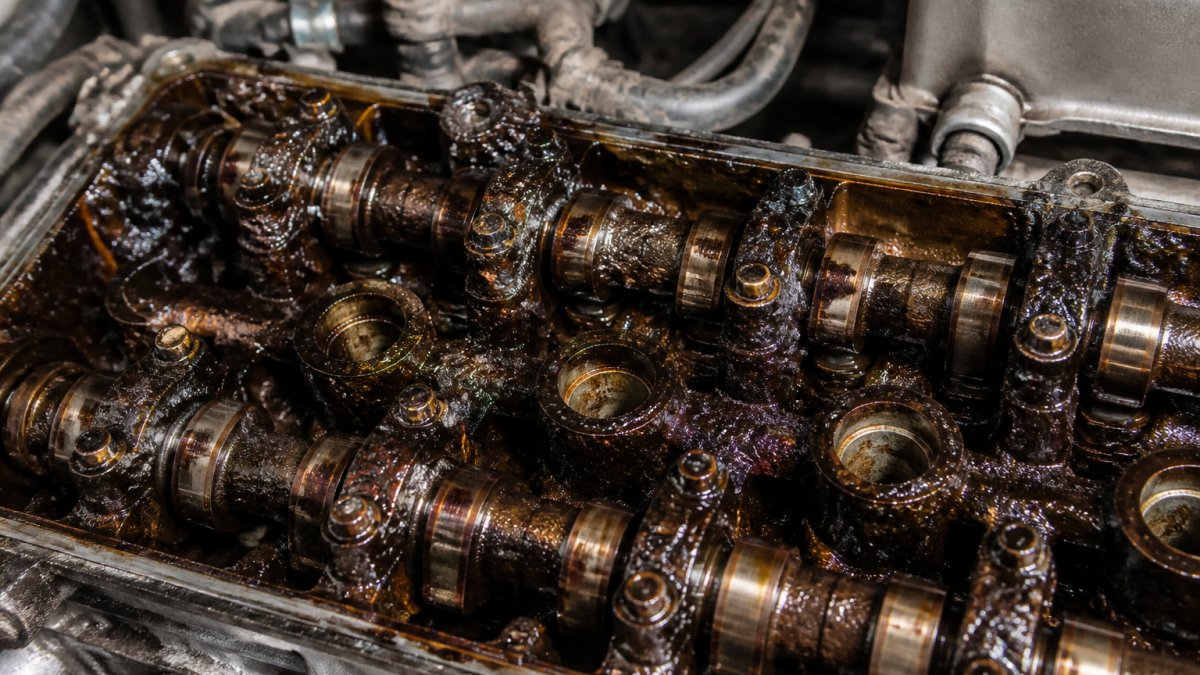
Skipping oil changes risks sludge, overheating, and costly engine failure. Learn more about what happens if you skip oil changes, then get your vehicle on a schedule that protects it.
Frequently Asked Questions
Does synthetic oil improve gas mileage enough to notice?
The gain is usually small, often in the 1-3% range, and depends on your engine, the oil grade, and how you drive. On a vehicle getting 25 MPG, a 2% improvement works out to about half a mile per gallon. You may not feel it seat-of-the-pants, but it can show up over several tanks of gas if you track your mileage carefully. The bigger benefits of synthetic oil are usually cold-start protection and longer change intervals.
Can you switch back to conventional oil after using synthetic?
Yes, you can switch back, though there is rarely a good reason to. Modern synthetic oil is compatible with conventional oil and with seals in most engines. The main caution is for older, high-mileage engines that have never used synthetic: a full synthetic may clean deposits that were sealing small leaks, so watch oil levels for the first few thousand miles. Follow your owner's manual for the grade and specification your engine requires.
Is it okay to drive past 5,000 miles with synthetic oil?
Often yes, but check your owner's manual first. Many modern vehicles specify synthetic oil change intervals of 7,500 to 10,000 miles, and some go further with an oil life monitor. Short trips, heavy towing, dusty conditions, and extreme temperatures shorten that interval. If your manual says 5,000 miles, stick to it regardless of oil type. Never exceed the manufacturer's recommendation, since doing so can affect warranty coverage.
Does oil viscosity affect gas mileage more than oil type?
Viscosity usually has a bigger effect than the synthetic-versus-conventional choice. A lower-viscosity oil like 0W-20 flows more easily and creates less pumping resistance than a thicker grade, which can improve fuel economy slightly. That is why many manufacturers now specify low-viscosity grades. Always use the grade your owner's manual lists, because going thinner than recommended can reduce wear protection and may void warranty coverage.
Your engine deserves the right oil and an honest answer about whether it will help. Get started with Cruiser Auto Repair and keep your vehicle running at its best with expert service, clear pricing, and warranty support handled for you.


Comments