

8 Best Ways to Prevent Breakdowns Before They Start
A dead battery in a grocery store parking lot, an overheating engine on the way to work, or a warning light that turns into a tow are rarely random events. Most roadside problems give drivers early clues. The best ways to prevent breakdowns come down to noticing those clues, keeping up with scheduled service, and having small concerns checked before they become expensive repairs.
For drivers who depend on one vehicle for commuting, school drop-offs, errands, or work, preventive maintenance is not about chasing unnecessary services. It is about protecting the parts that keep your vehicle starting, stopping, steering, and running safely.
1. Follow the Maintenance Schedule That Fits Your Vehicle
Your owner's manual provides a starting point for oil changes, fluid inspections, filter replacements, spark plug service, and other maintenance. It is based on mileage and time because some fluids and materials age even when a vehicle is not driven often.
That schedule may need adjustment depending on how you use your car. Short trips, stop-and-go traffic, frequent towing, heavy loads, and long periods of idling can be harder on oil, batteries, brakes, and cooling systems. A daily commuter in Anne Arundel County may not need the same service intervals as a vehicle used only on weekends.
Keep service records, either in a folder or on your phone. A clear maintenance history helps a technician spot what is due, prevents duplicated work, and can support your vehicle's resale value later.
2. Do Not Put Off Dashboard Warning Lights
A warning light is your vehicle asking for attention, not necessarily announcing a major failure. The check-engine light can be triggered by something relatively simple, such as an emissions issue, but it can also point to an engine misfire, fuel-system problem, or sensor failure. The only reliable way to know is through professional diagnostics.
A steady warning light should be scheduled promptly. A flashing check-engine light deserves more urgency because it can indicate a misfire severe enough to damage the catalytic converter. Likewise, stop driving when you see a red oil-pressure or temperature warning, notice steam from under the hood, or smell strong burning odors. Continuing to drive can turn a repairable issue into engine damage.
Early diagnostics protect more than the vehicle. They reduce the uncertainty of guessing what is wrong and help you make repair decisions before a small issue interrupts your day.
3. Check Tires Monthly, Not Just Before a Trip
Tires affect braking, steering response, fuel economy, and the likelihood of a roadside flat. Check tire pressure at least once a month when the tires are cold, using the pressure listed on the driver's door-jamb sticker. The number molded into the tire sidewall is the tire's maximum pressure, not usually the correct setting for your vehicle.
Look for uneven tread wear, cuts, bulges, nails, and cracks along the sidewall. Uneven wear can point to alignment, suspension, or tire-balance concerns. Catching it early may save a usable set of tires and improve how the vehicle handles in rain.
Rotate tires at the recommended interval and have the alignment checked if the vehicle pulls to one side, the steering wheel sits crooked, or a tire is wearing faster than the others. A good spare tire, working jack, and correct lug wrench matter too. Many drivers discover those items are missing only after a flat.
4. Pay Attention to Battery Age and Starting Changes
Batteries often fail with little warning, especially during temperature swings. If the engine cranks slowly, the headlights dim while starting, electronics behave inconsistently, or you need a jump-start, arrange for a battery and charging-system test.
Battery life varies, but many automotive batteries become less dependable after three to five years. Corroded terminals, loose connections, and an aging alternator can create similar symptoms. Replacing a battery without testing the charging system may not solve the underlying problem.
If your vehicle sits for extended periods, take it for regular drives long enough to recharge the battery or use a quality battery maintainer. Repeatedly starting a vehicle for only a few minutes can drain more power than the alternator has time to replace.
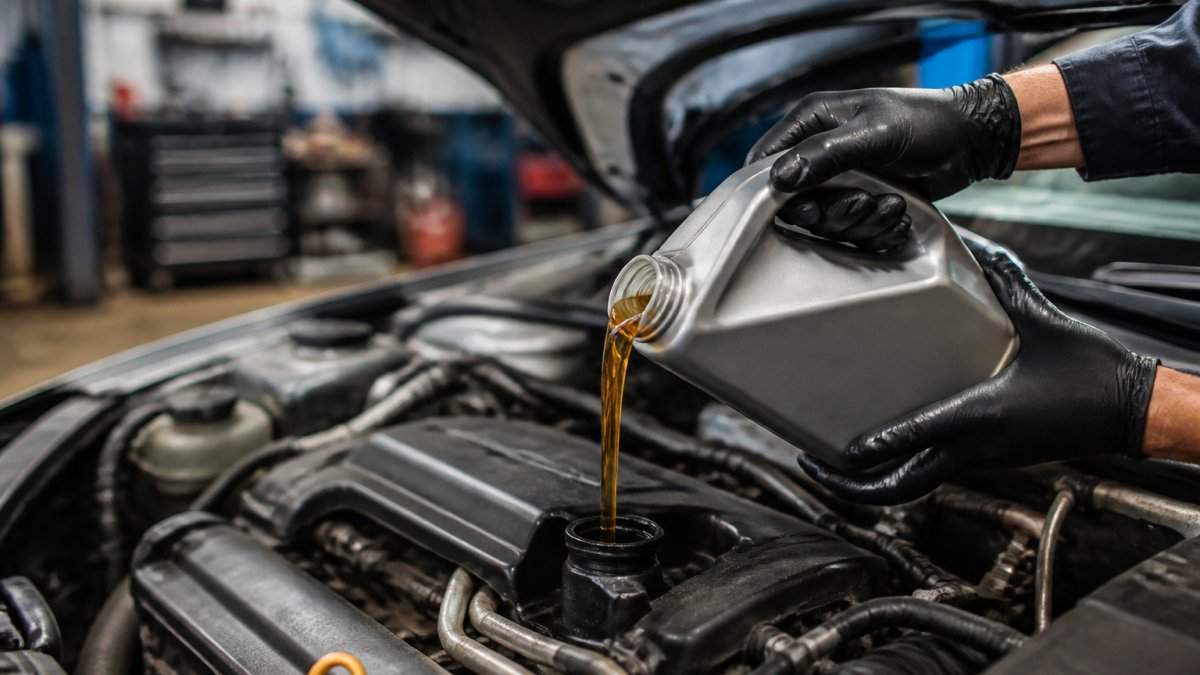
5. Keep Engine Oil and Fluids at the Right Level
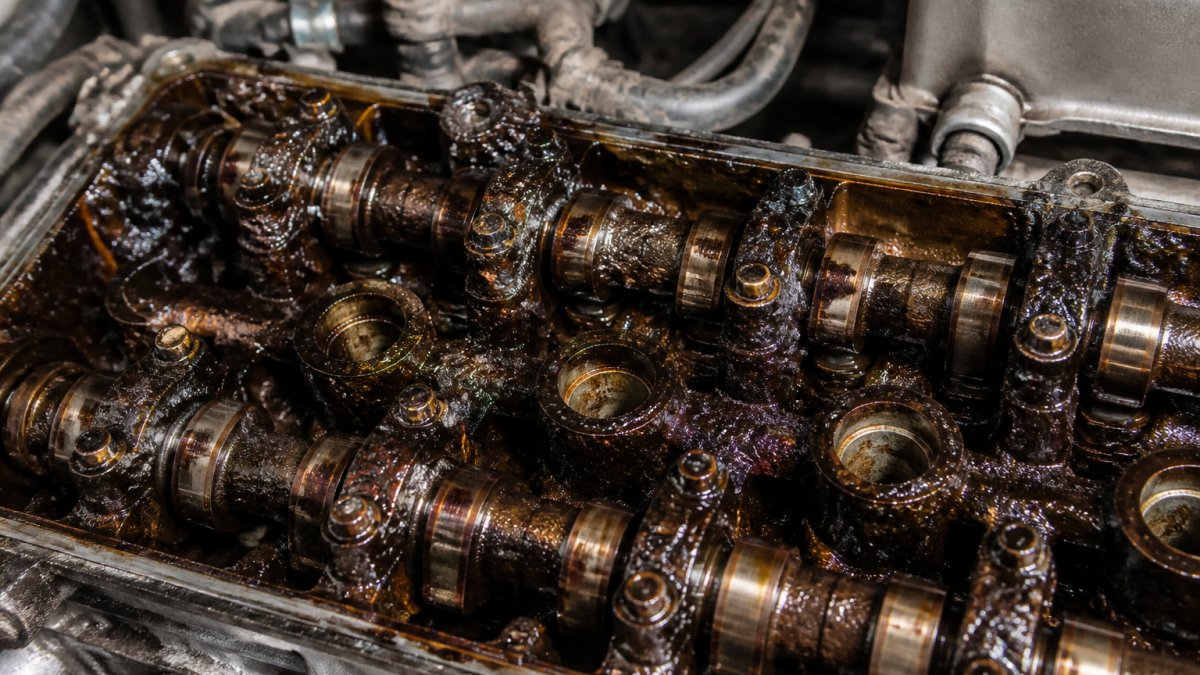
Engine oil does more than lubricate moving parts. It helps control heat and carries contaminants to the filter. Low oil, degraded oil, or the wrong oil specification can increase wear and create expensive engine problems over time.
Check the oil level periodically, especially before a long drive or if the vehicle has a known history of oil use. A sudden drop in oil level, fresh spots on the driveway, or a burning-oil smell should be inspected. Do not assume adding oil solves the issue if there is a leak or the engine is consuming it.
Coolant, brake fluid, transmission fluid, power steering fluid on applicable vehicles, and windshield washer fluid also deserve attention. Some modern transmissions do not have a simple dipstick, and fluid condition may require a professional inspection. That is one reason scheduled service is safer than waiting until shifting becomes rough or delayed.
6. Treat Brakes, Steering, and Suspension Symptoms Seriously
Brake pads do not always wear evenly, and brake problems do not always begin with a loud squeal. A soft brake pedal, grinding sound, vibration while braking, vehicle pull, or longer stopping distance should be checked soon. Brakes are not a repair to postpone until the next oil change if the vehicle feels different now.
Steering and suspension components also take a beating from potholes, curbs, and everyday road conditions. Clunking over bumps, excessive bouncing, steering looseness, or a vehicle that wanders in its lane can signal worn components. These issues can accelerate tire wear and make emergency handling less predictable.
Routine inspections give technicians the chance to identify wear before it becomes a safety concern. The goal is not to replace parts prematurely. It is to explain what is worn, how urgent it is, and what can reasonably wait.
7. Replace Worn Belts, Hoses, Wipers, and Filters
Small maintenance items can cause big interruptions when ignored. A cracked serpentine belt can leave the vehicle without charging, cooling, or power steering assistance, depending on its design. A weak hose or coolant leak can contribute to overheating. A clogged engine air filter can affect performance, while a neglected cabin filter can reduce airflow through the heating and air-conditioning system.
Wiper blades are equally easy to overlook until heavy rain makes visibility poor. Replace them when they streak, chatter, split, or leave areas of the windshield uncleared. Keep washer fluid topped off, particularly during winter road treatment season when grime builds quickly.
Ask for these items to be inspected during regular service. Visual checks are quick, and they help avoid being caught off guard by parts that visibly show their age.
8. Respond to New Noises, Smells, and Changes in Performance
Your vehicle has normal sounds and normal behavior. When that changes, trust the difference. A clicking noise on turns, humming that rises with speed, harsh shifting, a fuel smell, reduced acceleration, or a new vibration all provide useful diagnostic information.
Try to note when the symptom occurs: during cold starts, while braking, at highway speeds, after rain, or when turning. That information helps a technician narrow down the cause faster. A brief video or audio recording can also be useful when the issue is intermittent.
Waiting for a symptom to become constant can make diagnosis easier, but it often makes the repair larger. Bringing the vehicle in while it is still driving normally can be the practical choice.
A Simple Routine That Prevents More Than You Think
Preventive care works best when it becomes routine rather than a reaction to trouble. Once a month, check tire pressure, lights, fluid levels you can safely inspect, and the area under the vehicle for leaks. Before longer drives, check the spare, listen for new sounds, and make sure your maintenance is current.
For anything beyond a basic visual check, use a repair shop that explains findings clearly and gives you priorities instead of pressure. Cruiser Auto Repair can help local drivers stay ahead of maintenance, diagnose concerns accurately, and handle repairs with no surprises. A quick inspection today may be what keeps tomorrow's plans from becoming a breakdown story.

Comments