

Anne Arundel Fleet Service That Limits Downtime
A work vehicle does not need a major breakdown to cost a business money. A warning light, weak battery, worn tire, or brake issue can pull a driver off a route, delay a customer appointment, and force someone in the office to rearrange the day. Reliable Anne Arundel fleet service is about preventing those disruptions where possible and handling them quickly when they cannot be avoided.
For a local business, fleet maintenance should feel less like another administrative burden and more like a practical plan for keeping vehicles available. That means clear communication, service recommendations that fit how each vehicle is used, and a repair partner that understands the urgency behind a vehicle that cannot work.
Fleet Service Starts With How Your Vehicles Work
There is no one maintenance schedule that makes sense for every fleet. A contractor's pickup may spend its day towing, carrying equipment, and traveling between job sites. A delivery van may idle frequently and rack up stop-and-go miles. A sales vehicle may cover long highway distances with occasional city driving. The same oil-change interval or tire plan may not serve all three.
A useful fleet service plan begins with the actual demands placed on each vehicle. Mileage matters, but so do idle time, cargo weight, towing, road conditions, driver habits, and the cost of missing a day of work. A vehicle that appears to have low mileage can still need close attention if it idles for long periods or makes short, repeated trips.
For fleet owners and managers, this approach makes maintenance decisions easier to defend. Instead of reacting to every repair as an unexpected expense, you can track service needs and schedule work before a small issue becomes a roadside problem.
Preventive Maintenance Protects Your Schedule
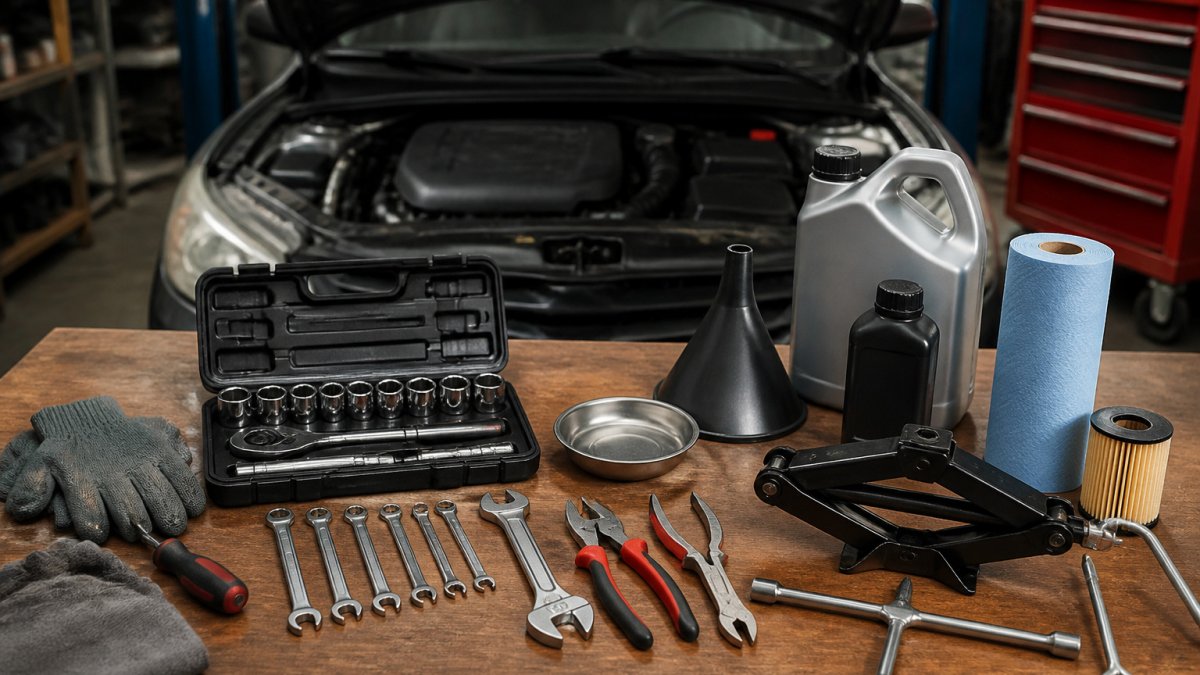
Preventive maintenance is not about replacing parts early without a reason. It is about inspecting the systems most likely to interrupt safe, dependable operation and addressing wear before it creates a larger repair.
Oil and filter service, fluid checks, brake inspections, tire rotation, alignment checks, battery testing, and cooling-system service are familiar items, but their timing should reflect vehicle use. Tires, for example, can wear unevenly because of alignment concerns, suspension wear, frequent heavy loads, or repeated curb contact. Catching that pattern early may protect more than the tires. It can also prevent handling issues and reduce stress on other components.
The same principle applies to brakes. Waiting for brake noise is risky for a fleet vehicle, especially one that carries tools, materials, passengers, or deliveries. Regular inspections can identify pad wear, rotor damage, fluid concerns, or a sticking caliper before the vehicle becomes unsafe or requires a more costly repair.
A practical maintenance visit should also create a record. Service history helps identify repeat concerns, supports resale value, and gives managers a clearer picture of what each vehicle is costing to operate over time.
The Warning Signs Worth Acting On
Drivers are often the first people to notice a problem, but they may not know whether it can wait. Encourage them to report changes promptly, including a check-engine light, vibration, pulling while braking, hard starting, overheating, steering changes, unusual odors, or new noises.
Not every warning means a vehicle needs to be parked immediately. A steady check-engine light, for instance, can have many causes. But continuing to drive without diagnosis can turn a manageable issue into lost time and added expense. A flashing check-engine light, overheating, low oil pressure, major brake changes, or a tire that cannot hold air deserves more urgent attention.
Clear reporting procedures help. Drivers should know who to contact, what information to provide, and whether they should bring the vehicle in, wait for instructions, or request breakdown assistance. That removes guesswork when the workday is already under pressure.
What Responsive Anne Arundel Fleet Service Looks Like
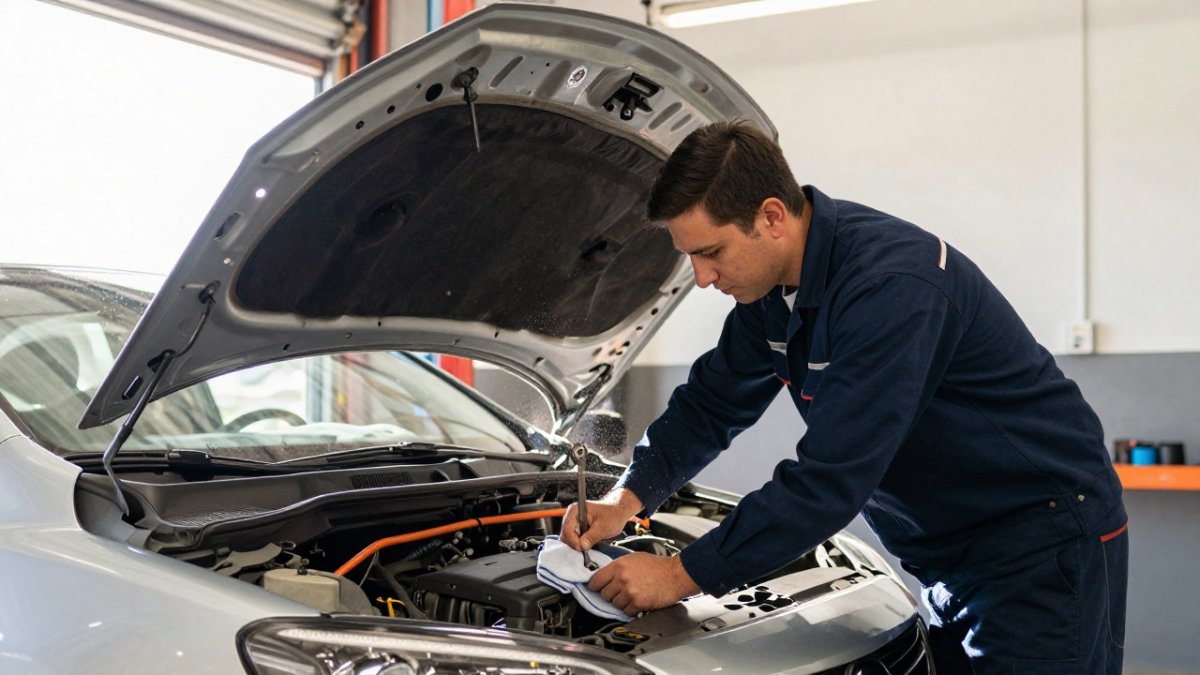
A fleet repair provider should do more than perform routine oil changes. When a vehicle needs attention, the shop should be able to diagnose the concern, explain what was found in straightforward language, and outline the repair options before work moves forward.
That communication is especially valuable when a repair has trade-offs. If a vehicle is near the end of its service life, a major engine or transmission repair may not be the best business decision. In other cases, repairing a well-maintained vehicle can be far more cost-effective than replacing it. The right choice depends on the condition of the vehicle, its role in the fleet, expected downtime, and the cost of replacement.
Fast service matters, but accurate diagnosis matters just as much. Replacing parts based on assumptions can waste time and money. Professional diagnostics help locate the real cause of a warning light, starting problem, charging-system fault, drivability issue, or electrical concern so the repair addresses the problem instead of only the symptom.
For newer vehicles, fleet support may also include ADAS calibration after certain repairs or replacements. Cameras, sensors, and driver-assistance systems can require proper calibration after windshield work, collision repairs, suspension work, or alignment-related changes. It is a detail that should not be overlooked simply because the vehicle still drives normally.
Tires, Towing, and Breakdowns Need a Plan Too
Some fleet issues cannot wait for the next maintenance appointment. A flat tire, dead battery, failed starter, overheating condition, or roadside breakdown can affect a driver, a customer, and the rest of the day's assignments.
A good fleet plan accounts for those moments before they happen. Keep current vehicle information accessible, including unit numbers, license plates, VINs, service history, and preferred contact names. Make sure drivers know the location of spare tires, wheel-lock keys, roadside supplies, and insurance or warranty details.
The practical checklist for every work vehicle should include four basics:
Current registration and insurance information
A charged phone and a reliable way to contact the office
Roadside safety supplies appropriate for the work being performed
Instructions for reporting a breakdown or accident
Towing coordination and breakdown assistance can take pressure off the driver and the person trying to manage the situation from the office. The priority is to get the vehicle to a safe location, communicate clearly about the problem, and move toward a repair decision without unnecessary delays.
Build a Fleet Relationship, Not Just a Repair Receipt
The best time to find a fleet repair partner is before multiple vehicles need emergency work. A shop that knows your vehicles, service history, and operating needs can provide more consistent recommendations and help you organize maintenance around your busiest periods.
That does not mean every vehicle needs the same service at the same time. It means planning ahead where possible. Some businesses schedule maintenance by mileage. Others use calendar intervals, seasonal checks, or slower workdays. The best system is the one your team can follow consistently.
It also helps to establish expectations for approvals and updates. Decide who can authorize routine maintenance, what repair amount requires manager approval, and how your team wants estimates communicated. These simple decisions prevent repair delays caused by missed calls or uncertainty about who can approve the work.
For vehicles covered by an extended warranty, direct communication with the warranty company can reduce another common source of downtime. Handling claim details and repair documentation correctly helps keep the process moving while the business focuses on its customers.
A local fleet deserves service that is straightforward, timely, and built around the reality that every vehicle has a job to do. Cruiser Auto Repair helps Anne Arundel County businesses keep maintenance manageable, address repairs with no surprises, and get work vehicles back on the road with minimal hassle.

Comments